There is a version of competition that most musicians are familiar with: the nerves, the waiting, the result. Win, and it opens doors. Lose, and it stings — sometimes for a long time. This is the version that gets talked about most, and it is the version that puts a lot of serious pianists off entering altogether.
But there is another version — the one that happens in the months before the result, and in the hours on stage — that is far less discussed and considerably more important. The process of preparing seriously for a piano competition, and then actually going through one, does something to a musician that almost no other experience replicates. It clarifies. It reveals. And it leaves you with a more honest picture of your own playing than any amount of lessons or private practice ever will.
A deadline changes everything
The most immediate and practical effect of entering a competition is the deadline it creates — and deadlines, for musicians, are transformative in a way that is easy to underestimate until you experience it.
When you are practising without a fixed performance date, it is possible to live indefinitely with passages that are almost ready, interpretations that are nearly settled, and technical challenges that are mostly solved. The vagueness is comfortable. The competition removes it entirely. Suddenly there is a specific date, a specific programme, a specific standard — and the gap between where you are and where you need to be becomes impossible to ignore.
Most pianists who have been through this describe the months of competition preparation as among the most focused and productive of their musical lives. Not because the competition itself guaranteed a good outcome, but because having something real to prepare for organised their practice in a way that open-ended study never had.
Performing for people who are really listening
Most pianists' performance experience before a major competition consists of studio recitals, local concerts, and end-of-year examinations. These are valuable, but the audiences — supportive friends, family members, fellow students — are not listening in the same way that a competition jury does.
A competition jury listens with complete attention and no emotional investment in the outcome. They hear everything: the passage you have been hoping nobody notices, the moment where the tempo wavers under pressure, the phrase that works beautifully in the practice room and slightly less so under lights. That quality of listening is uncomfortable. It is also extraordinarily useful.
Playing for people who are genuinely evaluating your performance — rather than people who want you to do well — teaches you things about your own playing that are impossible to learn any other way. It shows you where your preparation is solid under pressure and where it is only solid when nobody is watching. That knowledge is not pleasant to acquire, but it is precisely the knowledge that drives real improvement.
What the concerto round specifically reveals
For competitions that include a concerto final — which the most significant ones do — the stakes and the revelations multiply. The concerto round is where the most talented pianists most frequently fall short, and almost always for the same reason: they have prepared their concerto as a solo piece and are encountering the orchestral experience effectively for the first time on the competition stage.
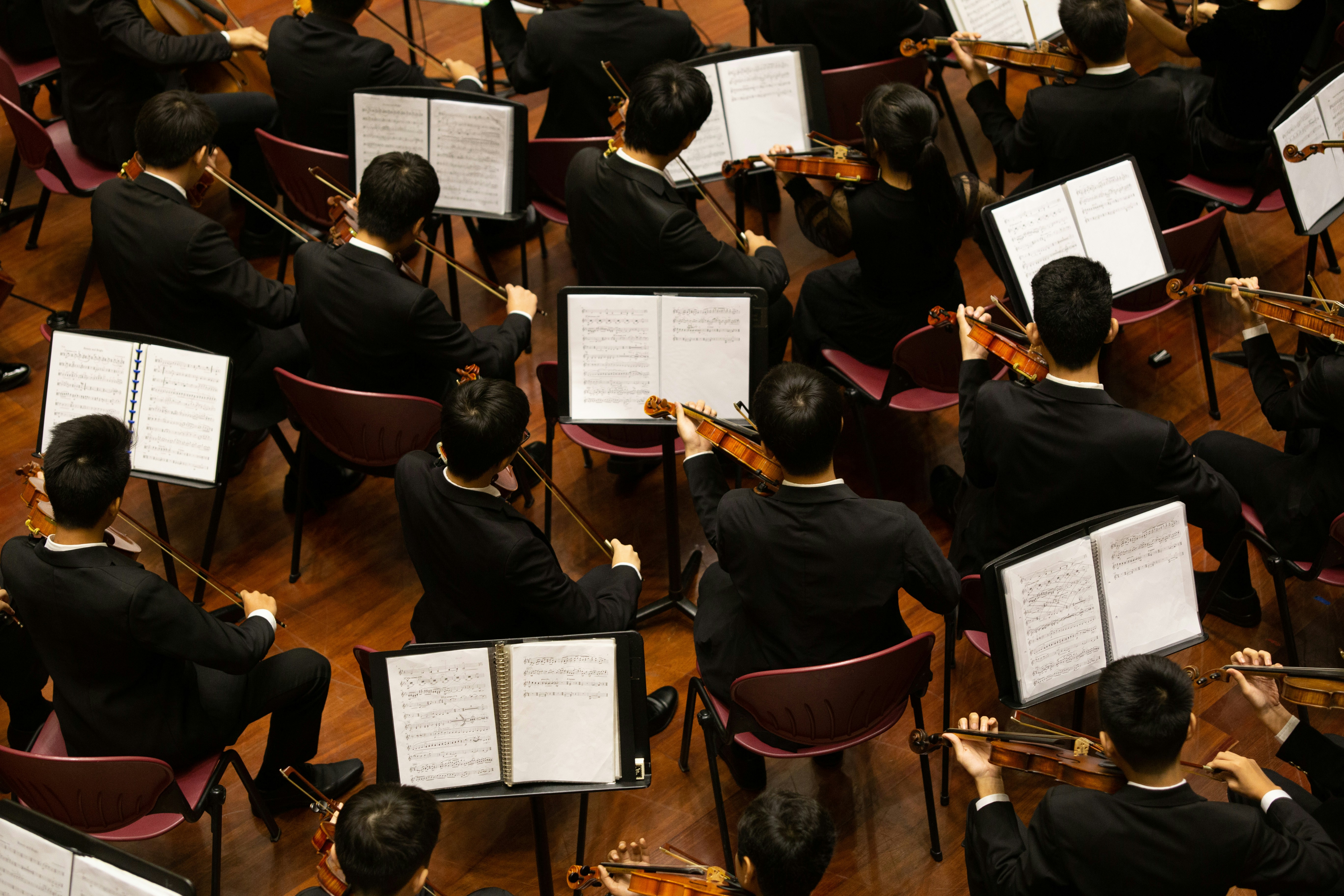
This is one of the most well-documented patterns in international piano competition. A soloist reaches the final round, delivers strong solo performances across the earlier stages, and then arrives at the concerto round with a technically prepared but ensemble-naive performance. The notes are there. The musical ideas are present. But the specific skills that concerto performance demands — listening outward while playing, communicating with a conductor, navigating entries after long orchestral passages, balancing against the physical reality of an orchestra — have simply never been trained, because the opportunity to train them has never arisen.
- Ensemble listening. The ability to hear and respond to an orchestra in real time while maintaining your own musical line — a skill that develops only through actual orchestral experience, not through two-piano reductions.
- Communication with a conductor. Reading preparatory gestures, signalling your intentions through physical presence, negotiating tempo and phrasing in the moment — a completely separate skill set from solo performance.
- Cold entries. Performing a re-entry with full musical commitment after sitting still for thirty or forty bars of orchestral music — one of the most consistently underprepared moments in concerto performance.
- Dynamic balance. Understanding how your sound sits inside an orchestral texture and adjusting instinctively — something that cannot be fully understood until you have experienced it with a real ensemble.
None of these skills can be developed in a practice room alone. They require actual orchestra time — rehearsal, adjustment, performance — under conditions that approximate the real thing as closely as possible. For pianists who intend to compete seriously, building that experience before the competition is not optional preparation. It is essential preparation.
The psychological dimension of competing
Beyond the technical and musical lessons, competitions teach something that is harder to name but equally important: how you perform when the outcome matters. This is a skill in its own right, and like all skills, it develops through practice.
Most pianists discover, in their first serious competition, that performing under genuine pressure activates habits and tendencies they did not know they had. Tempos that felt natural in rehearsal become rigid. Dynamic contrasts that felt vivid in the practice room feel smaller on stage. The interpretive freedom that characterises your best private performances can narrow significantly when the jury is in the room.
This narrowing is not a character flaw. It is a normal response to high-stakes performance, and it is one that experienced performers learn to manage over time. But managing it requires having experienced it — repeatedly, in real performance conditions, with real audiences and real outcomes. Each competition, regardless of result, builds a little more of that resilience. Each performance under pressure expands your sense of what you are capable of when it counts.
Pianists who compete regularly — who treat competition not as a one-time event but as a regular part of their musical development — consistently describe a shift in their relationship with performance anxiety. Not the elimination of nerves, but a growing ability to perform through them rather than being limited by them.
What winning and not winning actually mean
Competition results are real and they matter. Winning a significant competition opens professional doors, generates visibility, and provides momentum that is difficult to create any other way. This is worth being honest about.
But the developmental value of competition experience is entirely independent of the result. A pianist who reaches the final of a serious competition and finishes in fourth place has gone through an experience that has fundamentally changed their playing — in terms of preparation discipline, performance resilience, ensemble experience, and self-knowledge — regardless of where they placed. A pianist who wins but has not developed those same qualities through the process will find that the win opens doors they are not yet fully prepared to walk through.
The most useful way to think about competitions, particularly early in a career, is not as tests with pass and fail outcomes but as the most concentrated form of musical development available. The preparation is part of it. The performance is part of it. The feedback — from the result, from what you felt on stage, from what you noticed about your own playing under pressure — is part of it. All of it teaches you something that lessons and private practice alone cannot.
Preparing for the concerto round before it matters most
Given what the concerto final demands — and how consistently it catches even strong pianists unprepared — the most important competition preparation a pianist can do is to perform their concerto with a live orchestra before the competition requires it.
This sounds obvious. In practice, it is one of the rarest experiences in a developing pianist's career. Orchestras are not casually accessible. Competition final rehearsals are brief and high-pressure. The window between "knowing the concerto" and "having performed it with an orchestra" is one that most pianists simply never bridge in time.
The Piano Concerto Festival was founded specifically to close this gap. Every participant receives 40 minutes of dedicated rehearsal time with a professional orchestra, two private masterclasses with internationally renowned faculty, and a professionally produced video recording of their performance — all within a single intensive week in Paris.
For pianists preparing for competitions that include a concerto round, the festival provides the orchestral experience that competition preparation almost never includes. For pianists at any stage who want to understand what their concerto actually sounds and feels like with a full ensemble behind them, it provides that experience in a structured, supported environment designed specifically for that purpose.
Applications for the 6th edition are open now at pianoconcertofestival.com.